

By Sean Orr, M.D. | November 2, 2026 | Florida Doctor Magazine
The American Medical Association’s latest survey shows physician burnout at 41.9 percent for 2025, down from 43.2 percent in 2024 and 48.2 percent in 2023, as reported by Medical Economics. Two years of decline is real news. It is also an average, and averages do not tell you how you are doing at 9 p.m. on a Sunday with eleven open charts.
What the Number Counts, and What It Hides
The 41.9 percent figure is the share of physicians reporting at least one symptom of burnout. It is self-reported, and it moves with who answers the survey. A drop of a few points across a whole profession can come from better systems, from physicians who left clinical work, or from some of each. The survey cannot tell us which.
Underneath the average, the spread is wide. Emergency medicine sits at 49.8 percent, urological surgery at 49.5 percent, and hematology and oncology at 49.3 percent. Infectious diseases is at 23.3 percent and nephrology at 29.3 percent. A specialty ranking is not a personal diagnosis, but it tells you the problem is tied to the work itself: volume, acuity, call, and the paperwork attached to each patient. Telling a physician in a high-burnout specialty to practice gratitude does not change any of that.
Why Florida Physicians Should Read It Cautiously
Florida practices are absorbing a run of changes at once: a proposed 1.68 percent cut to the Medicare conversion factor for 2027, Medicare Advantage plan losses, hospital network exits effective January 1, and a federal telemedicine prescribing deadline on December 31. None of those appear in an AMA burnout survey from 2025. They are the working conditions your next survey response will reflect. I would not assume the trend line continues on its own.
I wrote in September about how mental health care and your Florida medical license intersect. Some physicians put off care because of that question. If that is you, read the piece before you decide not to call anyone.
What You Can Do Without Waiting for the System
- Track one symptom for two weeks. Pick the one that bothers you most, whether it is exhaustion, cynicism, or a sense that your work does not matter. Rate it each evening from one to five. You are collecting your own data, not building a case against yourself.
- Name the unpaid hour. Find the task that follows you home, usually inbox messages, prior authorization appeals, or note completion. Write down how many minutes a week it takes. A number is something you can bring to your practice manager or your medical staff office.
- Protect one fixed block each week. One lunch, one morning, or one evening that does not move for a patient add-on. Tell your scheduler it is a clinical commitment, because it is.
- If you lead, ask the question directly. Ask your physicians what single change would give them back an hour a week, then do that one thing before the next meeting.
- Get care through a route you trust. A physician’s own doctor, a confidential peer program, or a licensed therapist. Asking for help is a clinical decision, and you would make the same recommendation for a colleague.
The Bigger Picture
Burnout falling from 48.2 to 41.9 percent in two years means thousands of physicians feel better than they did. It also means about four in ten still do not. A profession that cares about its own members should treat that as the open problem and not the finished one.
Frequently Asked Questions
What is the current physician burnout rate?
The AMA’s survey reports 41.9 percent of physicians had at least one symptom of burnout in 2025, down from 43.2 percent in 2024 and 48.2 percent in 2023.
Which specialties report the highest burnout?
Emergency medicine was highest at 49.8 percent, followed by urological surgery at 49.5 percent and hematology and oncology at 49.3 percent.
Can a Florida physician seek mental health care without risking a license?
Read the details before you decide. Our September guide to mental health care and the Florida medical license walks through the question.
Does a falling burnout rate mean the problem is solved?
No. About four in ten physicians still report at least one symptom, and the rate varies widely by specialty.
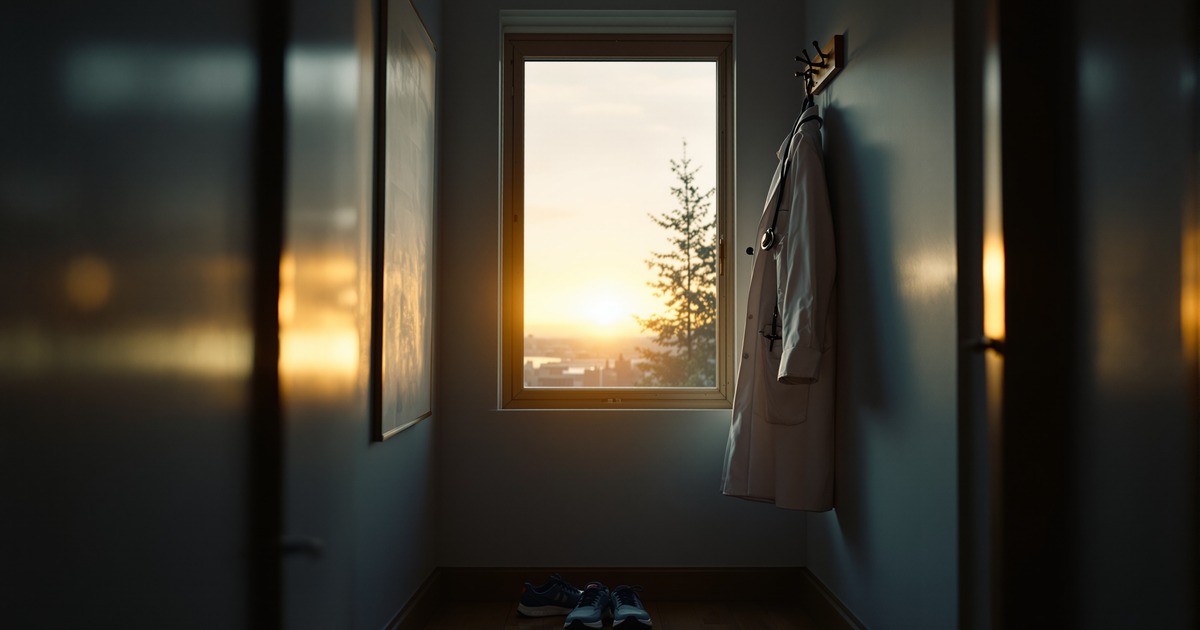
This article was drafted with the assistance of AI writing tools, then reviewed, edited, and approved by Dr. Sean C. Orr, M.D., who holds full editorial responsibility for its content. Illustration created with AI image tools.
References
- Medical Economics, Physician burnout declines overall, but gaps persist across specialties, AMA data show, April 16, 2026.
- Florida Doctor Magazine, Mental Health Care and Your Florida Medical License, September 30, 2026.
- Florida Doctor Magazine, Florida Loses 51 Medicare Advantage Plans for 2027.